Understanding Night Vision Characteristics and Night Vision Generations
Today, we will take a detailed look at night vision characteristics and device generations to help you understand how to choose the best night vision for your needs. Choosing a night vision device can seem complicated due to numerous technical parameters, so we will try to make this process clearer.
Night Vision Generations
Night vision is divided into three main generations, each with its own features and purpose.
Generation 1 (Gen 1)
The first generation of night vision was developed at the end of World War II and used active devices that required infrared flashlights to illuminate targets. They allowed light amplification up to 1000 times, but, unfortunately, were very sensitive to ambient light and could not work in complete darkness.
Generation 2 (Gen 2)
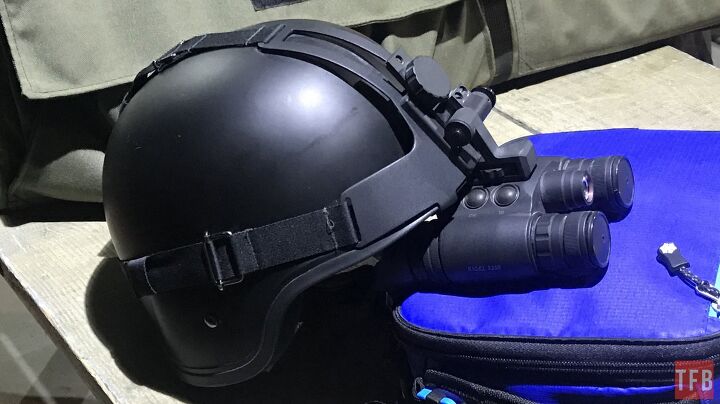
Generation 2 is a significant technological breakthrough, as the microchannel plate (MCP) was introduced, which allows for significantly improved light amplification, increasing it up to 20,000 times. This generation is capable of working in almost complete darkness, which significantly improves the capabilities of the devices.
Generation 3 (Gen 3)
Generation 3 uses a photocathode with gallium arsenide (GaAs), which increases efficiency and allows light amplification up to 50,000 times. This generation is the most modern and effective today, allowing work in absolute darkness and providing the best image clarity.
How to choose between generations?
Gen 3 — The best choice
Generation 3 is the best choice for those who need high image quality, regardless of lighting conditions. It is the ideal choice for military, law enforcement, and other professionals working in difficult conditions.
Gen 2 — A good option for most users
If your budget is limited or you do not plan to use night vision in extremely dark conditions, Gen 2 is a great option. They are quite effective for most amateurs, and if you are just starting to use night vision, this may be the optimal option.
Gen 1 — Don't waste your money
Gen 1 devices are not recommended for serious use due to their low efficiency in low light. They often cannot provide a sufficiently clear image, making them unsuitable for most tasks.
Night Vision Characteristics
When choosing night vision, users often pay attention to numerous technical characteristics of the devices. However, among them, there are several key parameters that can truly affect the efficiency of your device.
Figure of Merit (FOM)
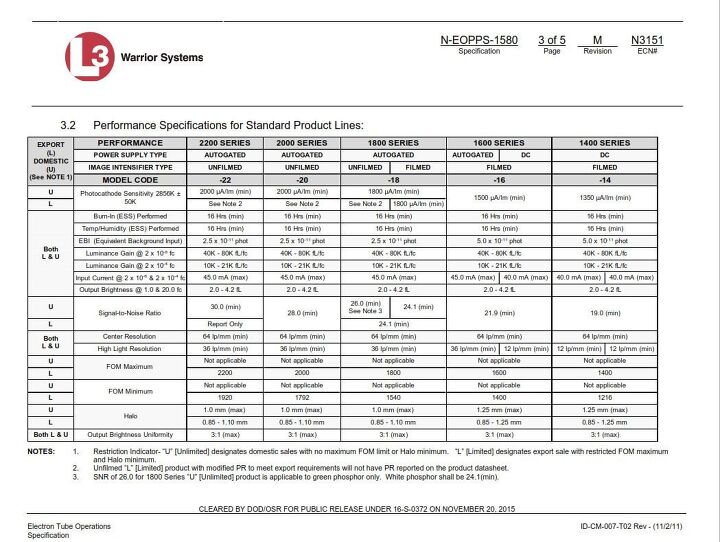
FOM is a metric often used to determine the quality of night vision. It is calculated as the product of the signal-to-noise ratio and the resolution of the device. This allows estimating the overall efficiency of a specific image intensifier. But remember that FOM is not the only indicator of quality, as many factors can affect the results.
OMNI Classification
For night vision manufactured for military purposes, the OMNI classification is applied. This is not a specification, but rather indicates the contract under which these devices were manufactured. For example, OMNI VII is a contract that defines certain characteristics but does not determine the exact performance of each specific device.
Importance of image and blemishes
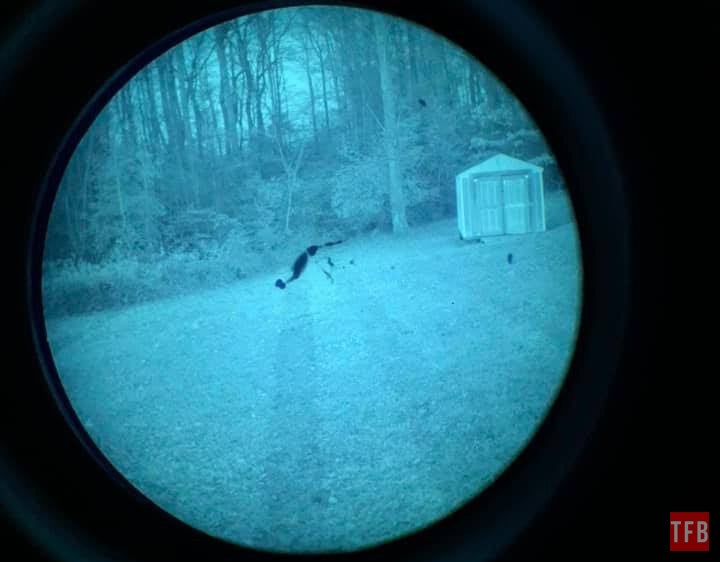
When choosing night vision, it is important to pay attention to image quality. Most modern tubes do not have significant defects, but in some cases, there may be "blems" (blemishes) — spots of light that can disrupt image clarity. Blemishes can be either cosmetic or warn of a potential device failure.
Which night vision is right for you?
The choice depends on your budget and how you plan to use night vision. If you are looking for high-quality imagery and plan to work in complete darkness, Gen 3 is the best choice. If you do not need to use night vision in extremely dark conditions, Gen 2 can be a sufficiently good option.
For most users, Gen 2 or Gen 3 will be ideal options, and Gen 1 should be avoided. Technical characteristics can help make a choice, but it is also important to consider practical aspects, such as the presence of blemishes and overall image quality.
Summary
Do not get overly carried away with technical characteristics. If a device belongs to Gen 3, it will usually provide reasonably good quality. However, for beginners or those who do not need the best quality, Gen 2 is a great option. The main thing is to choose what suits your specific needs and budget.