True night vision devices with image intensifier tubes (especially Gen 3) are an expensive pleasure. However, technology does not stand still, and digital alternatives are appearing on the market promising night vision for significantly less money. But are they really worth the attention?
These are devices or cameras that use sensitive sensors for shooting in low light conditions. They do not amplify light like classic NVDs but rely on high ISO sensitivity or shooting in the infrared spectrum. Examples: Sionyx Aurora and Sony A7S.
Sionyx Aurora
This is a digital night vision camera capable of shooting in the IR range. It has a NIGHT mode in which the beam of even an inexpensive IR flashlight is visible. The video is output in color, but with some noise and a reduced level of detail.
📌 Advantages:
- sees infrared light without modifications;
- compact, lightweight;
- can be used as a handheld device for night observation.
📌 Disadvantages:
- graininess and pixelation of the image;
- not suitable for dynamic combat application or helmet mounting.
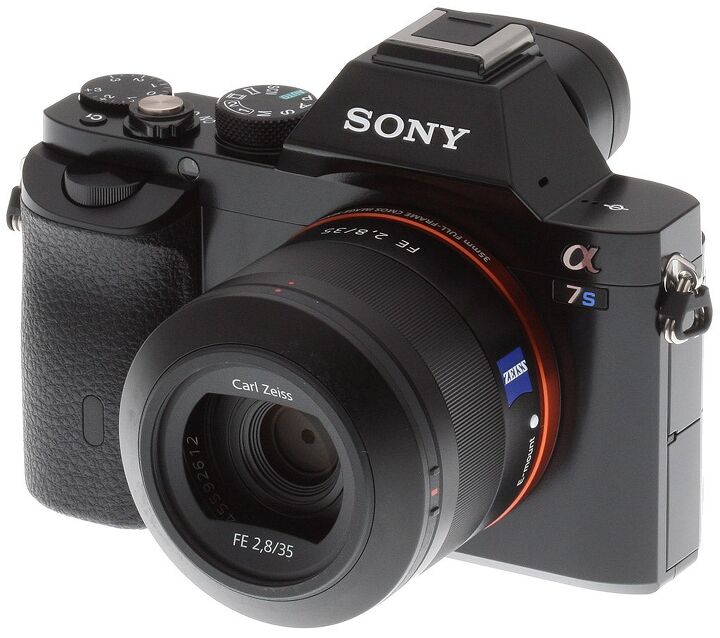
Sony A7S
A popular mirrorless camera that has ultra-high light sensitivity (up to ISO 406,000!). Thanks to this, it can shoot in almost complete darkness without artificial lighting.
📌 Advantages:
- incredible sensitivity without significant noise;
- high resolution;
- suitable for video shooting in dark conditions.
📌 Disadvantages:
- removal of the IR filter is required to see IR beams;
- does not support mounting on a helmet or weapon;
- more expensive to modify.
Summary
Digital night vision cameras are an interesting and affordable alternative to classic NVDs. They are ideal for observation, video shooting, airsoft, travel, or wildlife monitoring. However, if you need maximum light amplification, fast response, and reliability in combat conditions — traditional NVDs are still unrivaled.