Night Vision Device (NVD) is an optical device that amplifies weak natural light and makes it visible to the eye. It is important to understand that it does not see in complete darkness, but works with the light that already exists in the environment.
This can be moonlight, stars, reflections from objects or background lighting. What the human eye almost does not perceive, NVD amplifies thousands of times.
The key element is the Image Intensifier Tube (IIT).
It is exactly what determines image quality, clarity and noise level.
The housing is secondary, the tube is the basis of everything.
Which night vision suits you? Generations of night vision
🔬 Main types of tubes
In this section it is important to understand that each tube series has its own level, its own task and its real behavior in the field, not just “numbers in specifications”.
Green Phosphor

L3Harris Technologies Omni7 / Omni8
These are internal US military tubes that were supplied under government contracts and used in the army. They can be considered among the best in the world in green phosphor in their generation. They were produced under strict military requirements, so they have very stable and predictable quality. Their main advantage is reliability and consistent behavior in different conditions, not just “dry numbers” of specifications. Compared to commercial solutions they look more confident in real work. Such tubes hold medium and low light well without sharp drops. This level formed the standard for all subsequent generations. This is not the newest top, but this is a pure military level without compromises.
Elbit Systems / Harris H2
This is an export military segment that is supplied to NATO allied countries. Such tubes are also created according to military standards, but have limitations in characteristics compared to internal US contracts. They are still significantly better than any commercial solutions, but no longer maximum possible in indicators. In reality these are very stable and quality tubes that work well in complex conditions. They have a good balance between sensitivity, noise and resource. Often exactly this level is used in most modern military systems outside the US. This is actually a working military level standard for allies. In practice they look very balanced and reliable.
NNVT 4 / 5 / 6
This is a commercial generation of tubes that does not belong to military contracts. They are significantly more affordable in price, but also weaker in characteristics compared to any military solutions. It is important to understand the gradation inside the lineup. NNVT-4 is a base level with noticeable limitations. NNVT-5 is already more stable and comfortable in use. NNVT-6 is the upper segment that can approach good European solutions. There may be a larger variation in quality between units. But for their money they give a very good result. This is the most popular option in the price-quality segment.
Photonis Echo
This is also a commercial segment, but already with a European approach to quality. They do not chase maximum numbers, but focus on stability of operation. Compared to military tubes they are weaker in peak characteristics, but often look more comfortable in real use. The main advantage is work in complex lighting and control of overexposure. The image looks more even and less “aggressive” for the eyes. This is especially noticeable in urban conditions or changing light. They are well suited for long-term work without fatigue. This is a quality commercial solution with emphasis on stability, not maximum numbers.
White Phosphor

L3Harris Technologies 1610 / 1710 / 18UM / 20UM / 22UM / 24UM / 1597
These are modern tubes of high and top level that set the quality standard on the market. The higher the series, the better the indicators of sensitivity, noise and detail. They give a very clean and contrast image, which allows easy recognition of objects even in complex conditions. The level of noise is minimal, and the stability of operation is very high. White phosphor makes the image more natural and more comfortable for perception. The 1597 Aviation series is designed for maximum stability and use in aviation, where any deviations are critical. These tubes hold sharp changes of lighting well and do not “fall” in detail. This is one of the best options if maximum capabilities are needed.
It is important to understand the gradation inside the series. 24UM and 1597 belong to aviation contracts, where requirements for stability and quality control are significantly higher. While 1610, 1710, 18UM, 20UM, 22UM are commercial tubes with premium characteristics, but still weaker than military and aviation solutions.
Elbit Systems XLSH / SLH / PH / YH / VH
The Elbit lineup has a clear gradation from mid to top level. XLSH is a base option among white phosphor, which already gives good quality. SLH and PH are significantly better in stability and image cleanliness. YH and VH are top series that can compete with L3 in real work. They differ by high stability, good noise control and long resource. In many cases they look even more “even” in quality between different units. This is important when it is necessary to get a predictable result without surprises. In practical use they show themselves very well in field conditions.
Photonis 4G / 4G+
These tubes are oriented not only on maximum numbers, but on real work in complex lighting. They handle overexposure, headlights, flashlights and other light sources well. The image is stable and controlled, without sharp drops. 4G+ is an improved version with better indicators and cleaner image. They will not always be the brightest, but often the most convenient in work. This is especially noticeable in urban conditions or changing lighting. They are chosen by those for whom a controlled image is important, not just maximum brightness.
NNVT 4–7 / Aviation
This is a wide lineup that covers practically all segments of the market. NNVT-4 and 5 are base solutions that are suitable for entry level. NNVT-6 and 7 are already significantly stronger and can compete with the mid segment of other manufacturers. Aviation are the most stable and selected variants from this lineup. They have better controllability and lower noise level. NNVT-7 Aviation is a separate category of tubes, while regular NNVT-7 are commercial variants.
NoctuVision ++
This is not a separate technology, but a designation of selected tubes with better characteristics. In fact this is selection, where the most successful units are selected. Due to this they can show result close to more expensive solutions. At the same time price often remains lower than top brands. Quality strongly depends on specific batch and selection. In good variants this is a very strong solution for its money. They can have good image cleanliness and stability.


Phosphor types (Green vs White)
Green Phosphor
Green phosphor is a classic option that has been used for decades. All military night vision systems were originally developed specifically for it. The human eye perceives the green spectrum well, so during long work it really causes less fatigue. The image looks simple and understandable, without unnecessary shades. In most cases such tubes are cheaper than white analogues. This makes them a good option for those who need a working tool without overpaying. They are well suited for long observation, duty or static work. At the same time detail and contrast are lower than in white phosphor, especially in complex conditions.
👉 Good for long work and saving budget
White Phosphor
White phosphor is a modern standard that actively replaces green. The image looks more natural, closer to a normal black-and-white image. Due to this details, contours and small objects are better read. It is easier to recognize people, equipment and movement. There is less “blur effect” and more depth of image. In dynamics it is more comfortable to work with such image, especially during movement. That is why most modern military and professional systems switch to white phosphor. The downside is higher price and slightly different load on the eyes during very long work.
👉 Better choice for tasks where detail and fast recognition are important
We have determined the type and phosphor but there are so many manufacturers who offer their products, who is top and who should be paid attention to?
L3Harris Technologies (USA) ⭐⭐⭐⭐⭐
This is one of two global leaders in the production of image intensifier tubes and effectively the benchmark of quality on the market. Their tubes are known for maximum image cleanliness, high SNR and stability in any conditions. It is they who set the bar in FOM and technology, which other manufacturers follow. They are used in NATO special units, aviation and the most demanding tasks. Omni7 and Omni8 series are classic military standards, while 18UM and above are already modern top level. Separately stands 1597 Aviation, which is designed for maximum stability. This is a choice when maximum is needed without compromises.
Elbit Systems (Israel) ⭐⭐⭐⭐⭐
Elbit is the main competitor of L3 and often a more balanced solution. Their tubes are known for stable quality and less variation between units. In many cases they look more “even” in operation. The lineup from XLSH to VH allows to choose a solution from mid to top segment. H2 series is used in military contracts and has a high level of reliability. They maintain a balance between price, lifespan and characteristics. This is an option for those who want top level without overpaying.
ITT Inc. (USA) ⭐⭐⭐⭐⭐
ITT is an old American manufacturer that stood at the origins of modern night vision. Many military standards were built specifically on their technologies. Their tubes are not the most modern in characteristics, but remain very reliable. They are proven by years and have stable behavior. They are often used in older but working systems. This is an option for those who value proven classic.
Photonis (France/Netherlands) ⭐⭐⭐⭐☆
Photonis has a different approach compared to American manufacturers. They focus not only on numbers, but on real stability of operation. Their tubes work well in complex lighting conditions and are less prone to overexposure. Echo is a base level, and 4G and 4G+ are already significantly stronger solutions. The image looks more controlled and even. This is especially important in urban or variable conditions. They are often chosen for real work, not for test numbers.
NNVT (China) ⭐⭐⭐☆☆
NNVT is a Chinese manufacturer that has grown very quickly in quality. Their tubes already confidently occupy the segment from base to mid and even higher. The lineup from NNVT-4 to NNVT-7 covers different levels of tasks. Aviation versions have better stability and selection. The main advantage is price relative to capabilities. With proper selection they give a very good result. This is one of the best options in the price-quality category.
NoctuVision (Turkey) ⭐⭐⭐⭐☆
NoctuVision is more about selection and assembly than about its own production of tubes. They select the best units and build complete solutions. The ++ designation means an increased level of quality. Often this allows achieving a result close to top brands. At the same time the price can be more affordable. Quality depends on the specific batch and selection. This is a good option for those who want maximum without overpaying for the brand.
After we have understood manufacturers and types of tubes, a logical question arises how all this affects real use
It is important to understand a simple key logic
the tube is responsible for image quality, and the housing for how you use that image
Even the best tube will not give a result if the housing does not match the task. And vice versa, a good housing will not compensate for a weak tube. Therefore night vision should always be considered as a combination of two elements, and not separately.
PVS-14 (monocular)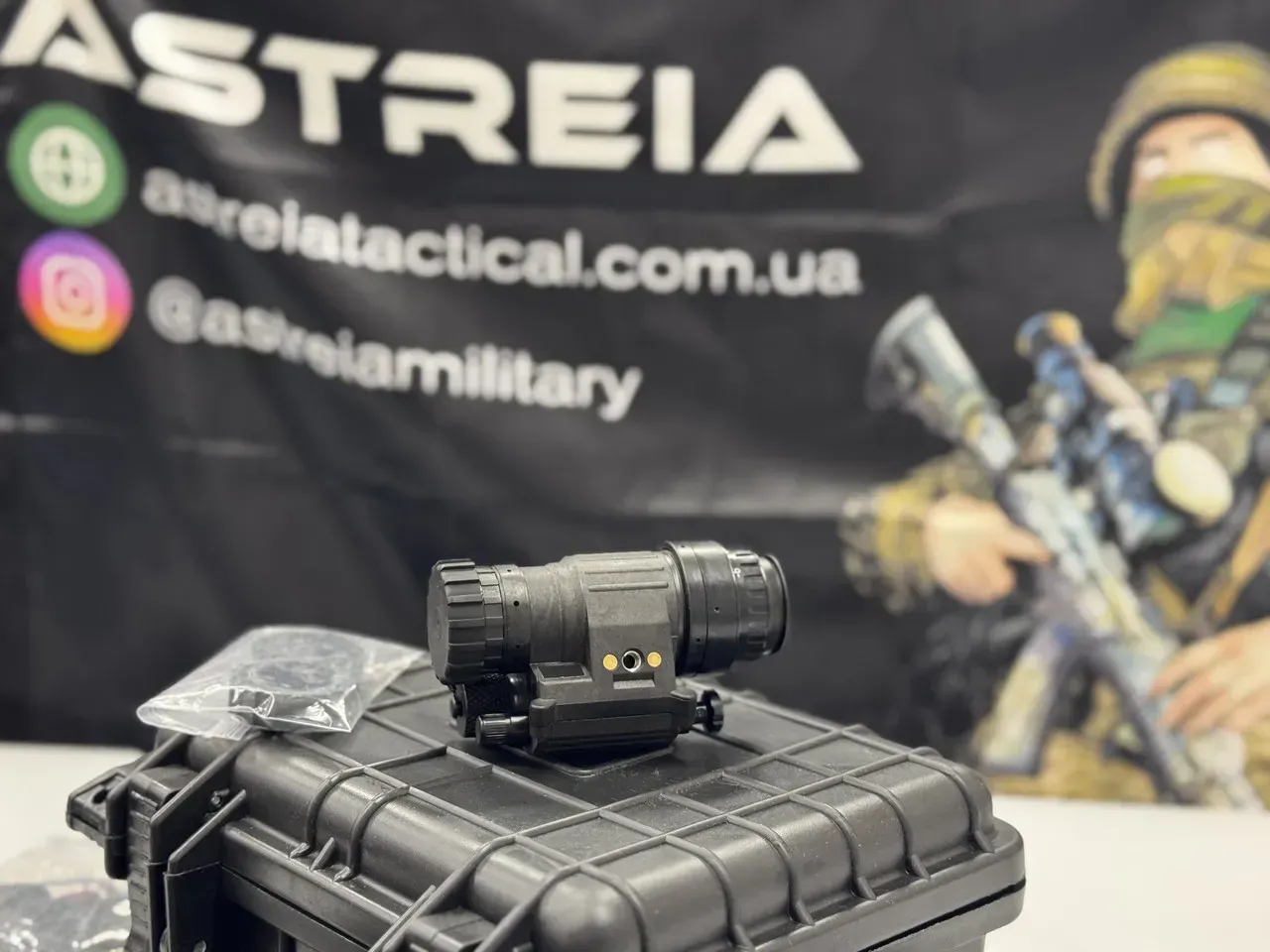
This is the most universal option, which is suitable for most tasks. It is used for patrolling, observation and work from position, where it is not necessary to constantly move at speed. It is well suited for military as a base solution, especially for shooters or operators who need flexibility. It is often used with UAVs, when you need to look at the screen and at the same time control the environment. For civilians this is the most popular option for hunting and observation. It can also be mounted on a weapon or used as a handheld device. The main disadvantage is work with one eye, which limits depth perception.
Applications:
• Assault ⭐⭐☆☆☆
• Recon ⭐⭐⭐⭐☆
• Patrol ⭐⭐⭐⭐⭐
• UAV work ⭐⭐⭐⭐⭐
• Hunting ⭐⭐⭐⭐⭐
• Static observation ⭐⭐⭐⭐⭐
• Driving ⭐⭐⭐☆☆
PVS-7 (biocular)
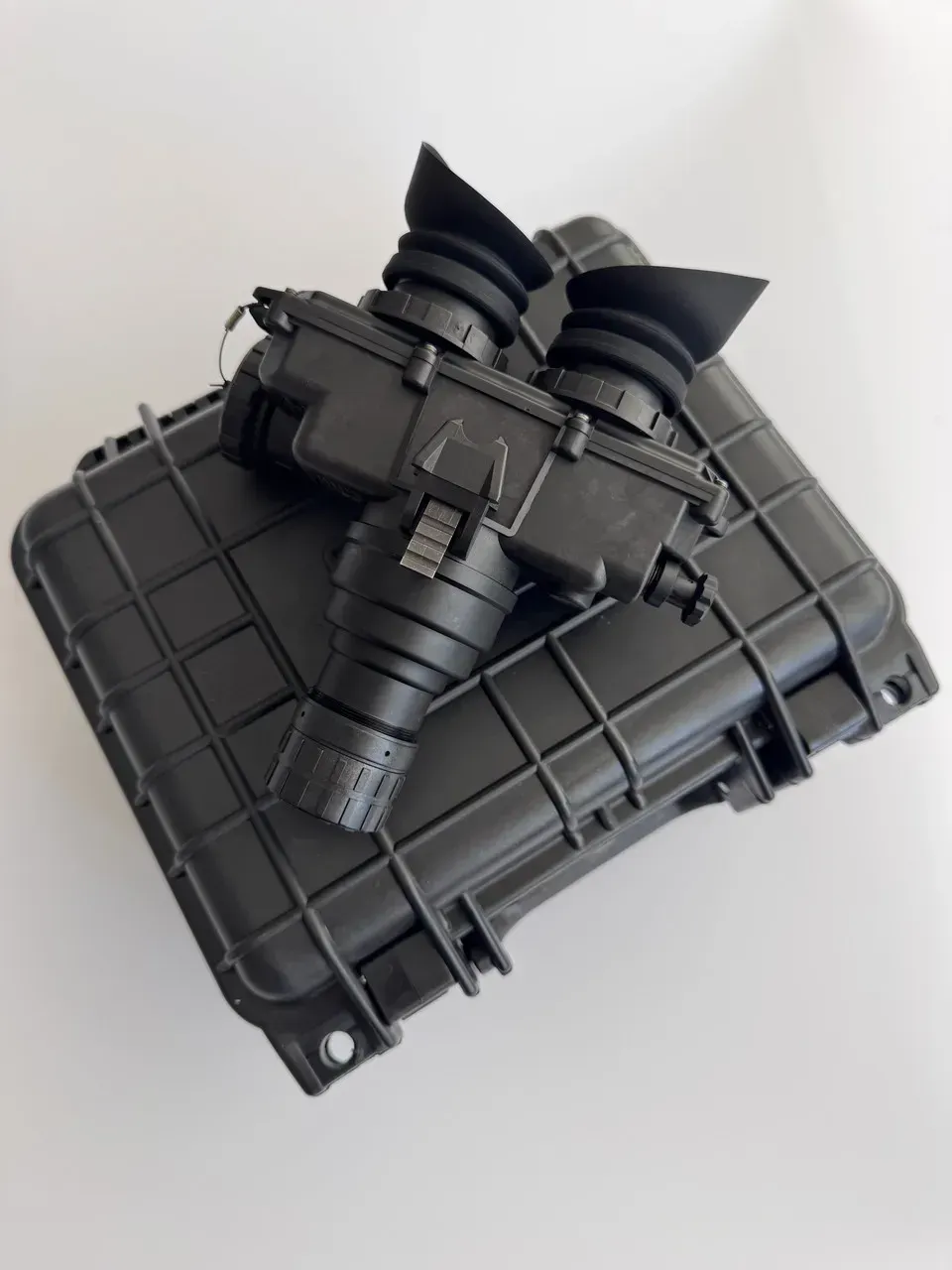
This option is suitable for static tasks where active movement is not required. It is often used for guarding territories, observation or duty. Due to two eyepieces it is more comfortable for the eyes than a monocular. But because of one tube there is no true depth perception, which complicates movement. For military tasks it is almost not used because it limits reaction speed. This is an option for basic use when the budget is limited. It is well suited as a first device for familiarization.
Applications:
• Assault ⭐☆☆☆☆
• Recon ⭐⭐☆☆☆
• Patrol ⭐⭐⭐☆☆
• Area control ⭐⭐⭐⭐⭐
• Hunting ⭐⭐⭐☆☆
• Static observation ⭐⭐⭐⭐⭐
• Driving ⭐⭐☆☆☆
BNVD-1431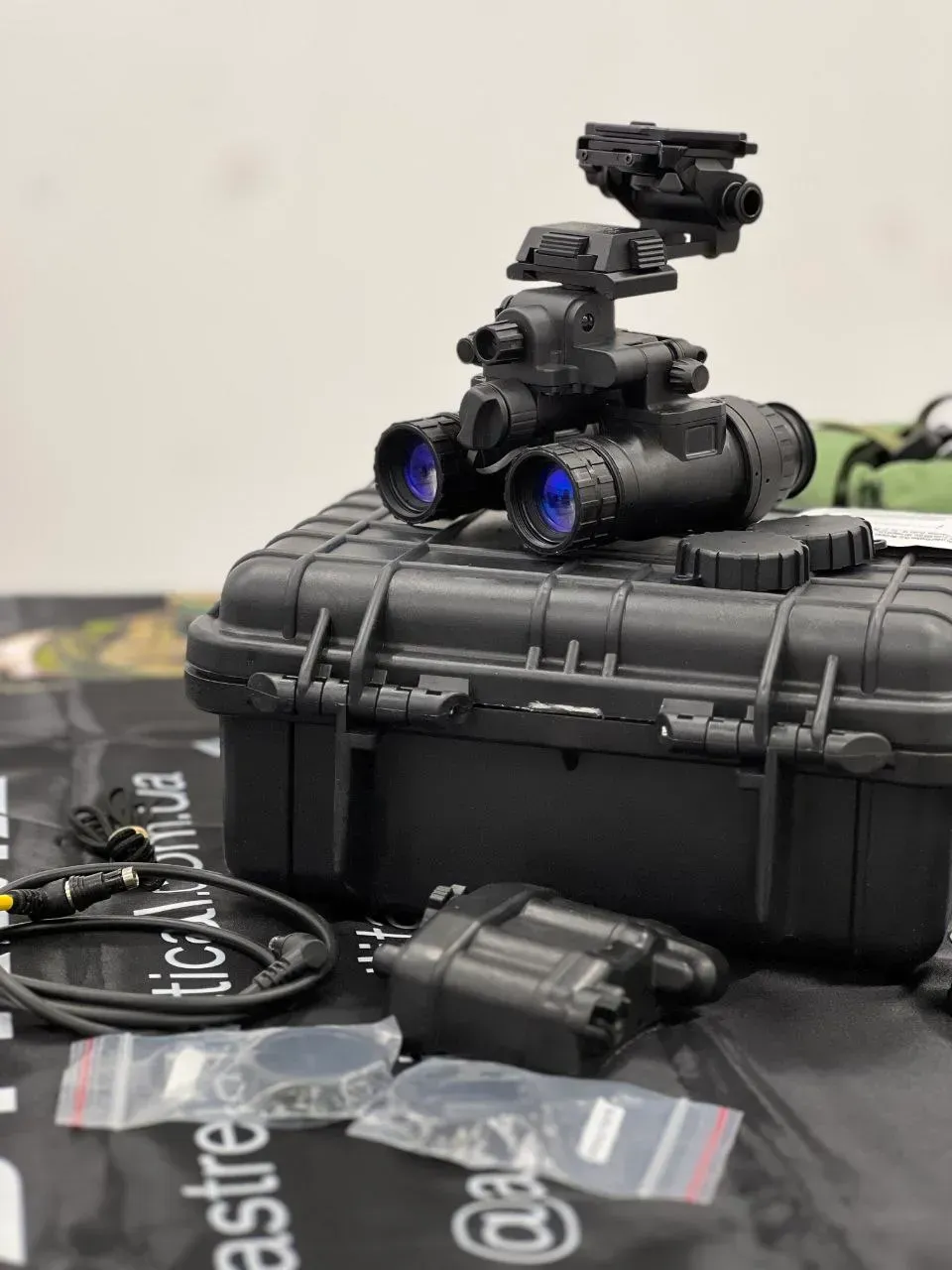
This is a dual-tube housing that provides full binocular vision and normal depth perception. It is well suited for active movement and work in darkness without losing orientation. It is often used by military for assault and reconnaissance. It provides a good balance between durability and weight. It is suitable for work in the field and difficult conditions. This is a universal option for most combat tasks.
Applications:
• Assault ⭐⭐⭐⭐☆
• Recon ⭐⭐⭐⭐⭐
• Patrol ⭐⭐⭐⭐⭐
• UAV work ⭐⭐⭐⭐☆
• Hunting ⭐⭐⭐⭐☆
• Dynamic operations ⭐⭐⭐⭐⭐
• Driving ⭐⭐⭐⭐⭐
NVGA-15
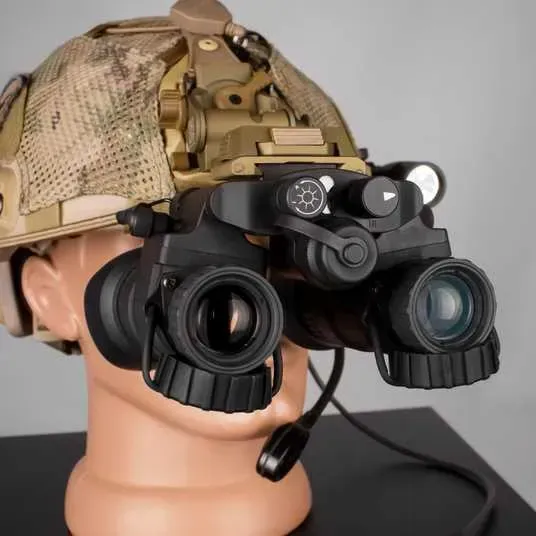
This is a lightweight dual-tube housing oriented to mobility and comfort. It provides full depth perception, which is important during movement. It is often used in military tasks, where a balance between weight and efficiency is required. It is well suited for long-term wearing on a helmet. It loads the neck less compared to heavier models. This is a good option for active operations.
Applications:
• Assault ⭐⭐⭐⭐☆
• Recon ⭐⭐⭐⭐⭐
• Patrol ⭐⭐⭐⭐⭐
• UAV work ⭐⭐⭐⭐☆
• Long missions ⭐⭐⭐⭐⭐
• Dynamic operations ⭐⭐⭐⭐⭐
• Driving ⭐⭐⭐⭐⭐
RNVG

This is a maximum durable dual-tube housing designed for harsh operating conditions. It is characterized by increased reliability and strength. It is well suited for military use where impact resistance is important. It provides stable binocular vision without unnecessary mechanical elements. It is less flexible, but very reliable. This is a choice for those for whom device survivability is important.
Applications:
• Assault ⭐⭐⭐⭐⭐
• Recon ⭐⭐⭐⭐⭐
• Patrol ⭐⭐⭐⭐⭐
• Work in harsh conditions ⭐⭐⭐⭐⭐
• Dynamic operations ⭐⭐⭐⭐⭐
• Hunting ⭐⭐⭐⭐☆
• Driving ⭐⭐⭐⭐⭐
DTNVS
This is a modern dual-tube housing with the ability of independent folding of channels. It provides high flexibility in use. It is convenient for different work scenarios, including mixed tasks. It is well suited for military and specialists. It is lightweight and ergonomic. This is one of the most universal housings in its class.
Applications:
• Assault ⭐⭐⭐⭐⭐
• Recon ⭐⭐⭐⭐⭐
• Patrol ⭐⭐⭐⭐⭐
• UAV work ⭐⭐⭐⭐☆
• Special operations ⭐⭐⭐⭐⭐
• Long missions ⭐⭐⭐⭐⭐
• Driving ⭐⭐⭐⭐⭐
PVS-31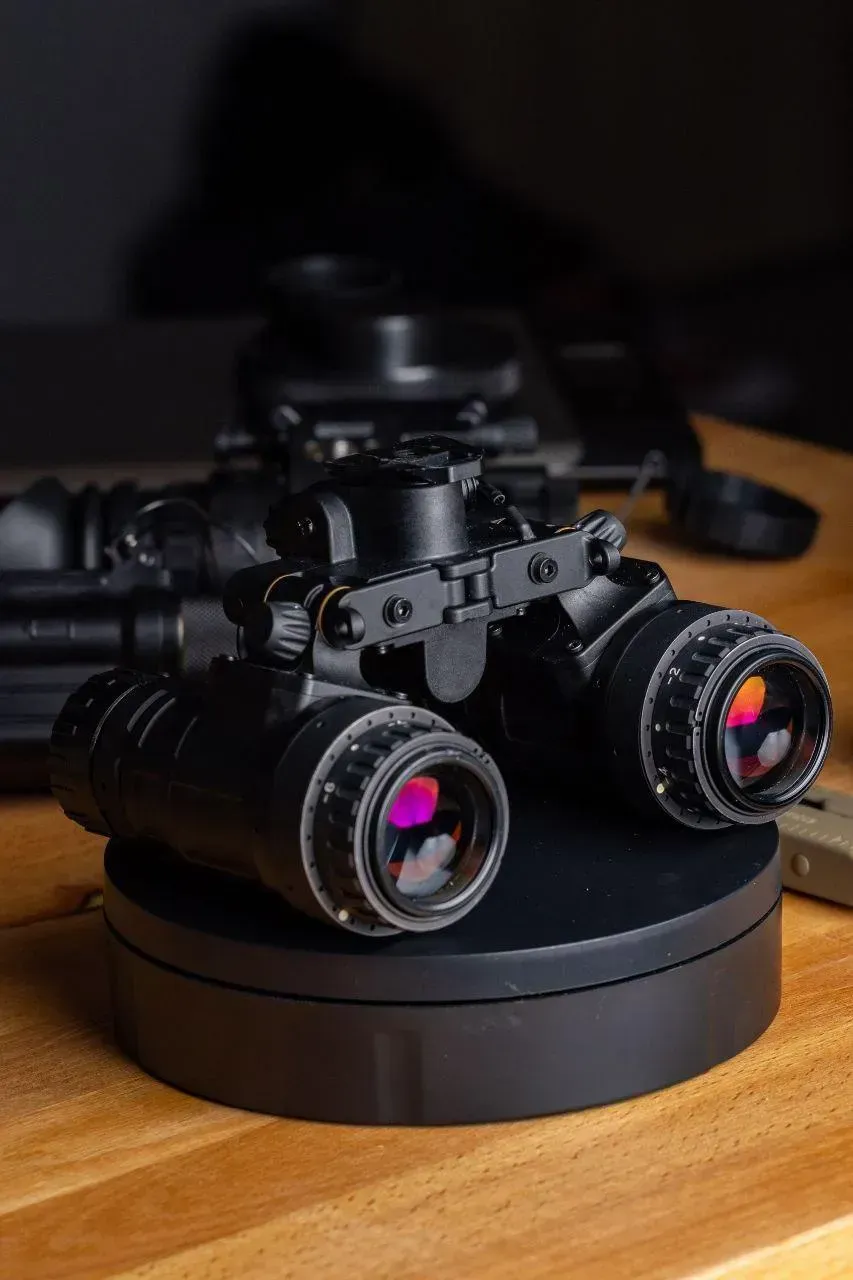
This is a professional dual-tube housing used by special units. It has low weight and excellent balance. It is well suited for long operations. It provides comfort during long wearing. High ergonomics allows to work more efficiently. This is one of the top options for military tasks.
Applications:
• Assault ⭐⭐⭐⭐⭐
• Recon ⭐⭐⭐⭐⭐
• Patrol ⭐⭐⭐⭐⭐
• Special operations ⭐⭐⭐⭐⭐
• Long missions ⭐⭐⭐⭐⭐
• UAV work ⭐⭐⭐⭐☆
• Driving ⭐⭐⭐⭐⭐
PVS-31D
This is an improved version of PVS-31 with additional capabilities and better ergonomics. It is used in modern units. It provides even better balance and stability. It is suitable for complex and long tasks. It is characterized by high reliability. This is a top-level tool for professional use.
Applications:
• Assault ⭐⭐⭐⭐⭐
• Recon ⭐⭐⭐⭐⭐
• Patrol ⭐⭐⭐⭐⭐
• Special operations ⭐⭐⭐⭐⭐
• Long missions ⭐⭐⭐⭐⭐
• UAV work ⭐⭐⭐⭐☆
• Driving ⭐⭐⭐⭐⭐
Theon Nyx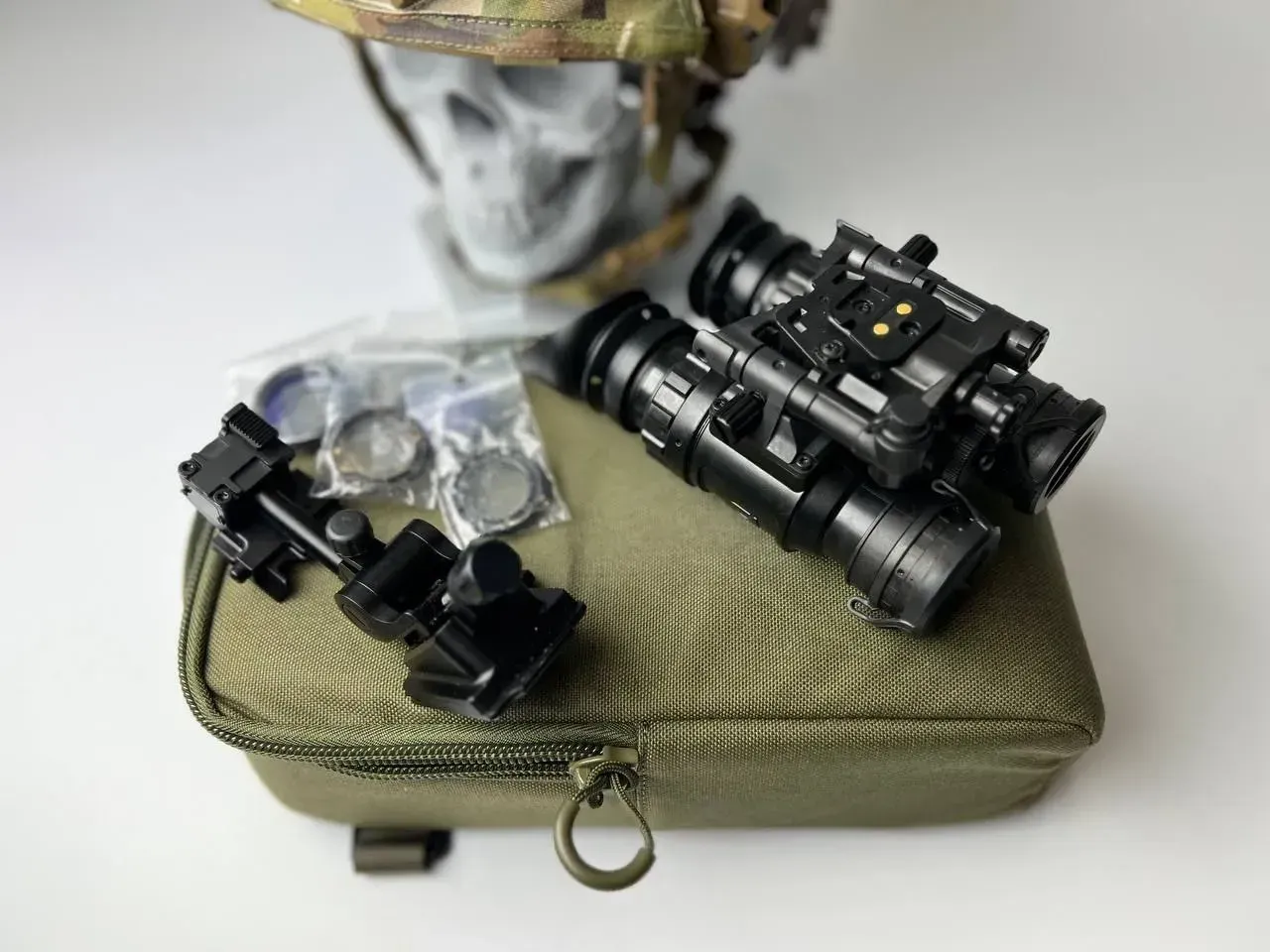
This is a European professional housing oriented to modern requirements. It provides a good balance between weight and durability. It is suitable for military and special tasks. It is characterized by stable ergonomics. It works well during long use. This is a strong competitor to American models.
Applications:
• Assault ⭐⭐⭐⭐⭐
• Recon ⭐⭐⭐⭐⭐
• Patrol ⭐⭐⭐⭐⭐
• Special operations ⭐⭐⭐⭐⭐
• Long missions ⭐⭐⭐⭐⭐
• UAV work ⭐⭐⭐⭐☆
• Driving ⭐⭐⭐⭐⭐
Micron D AE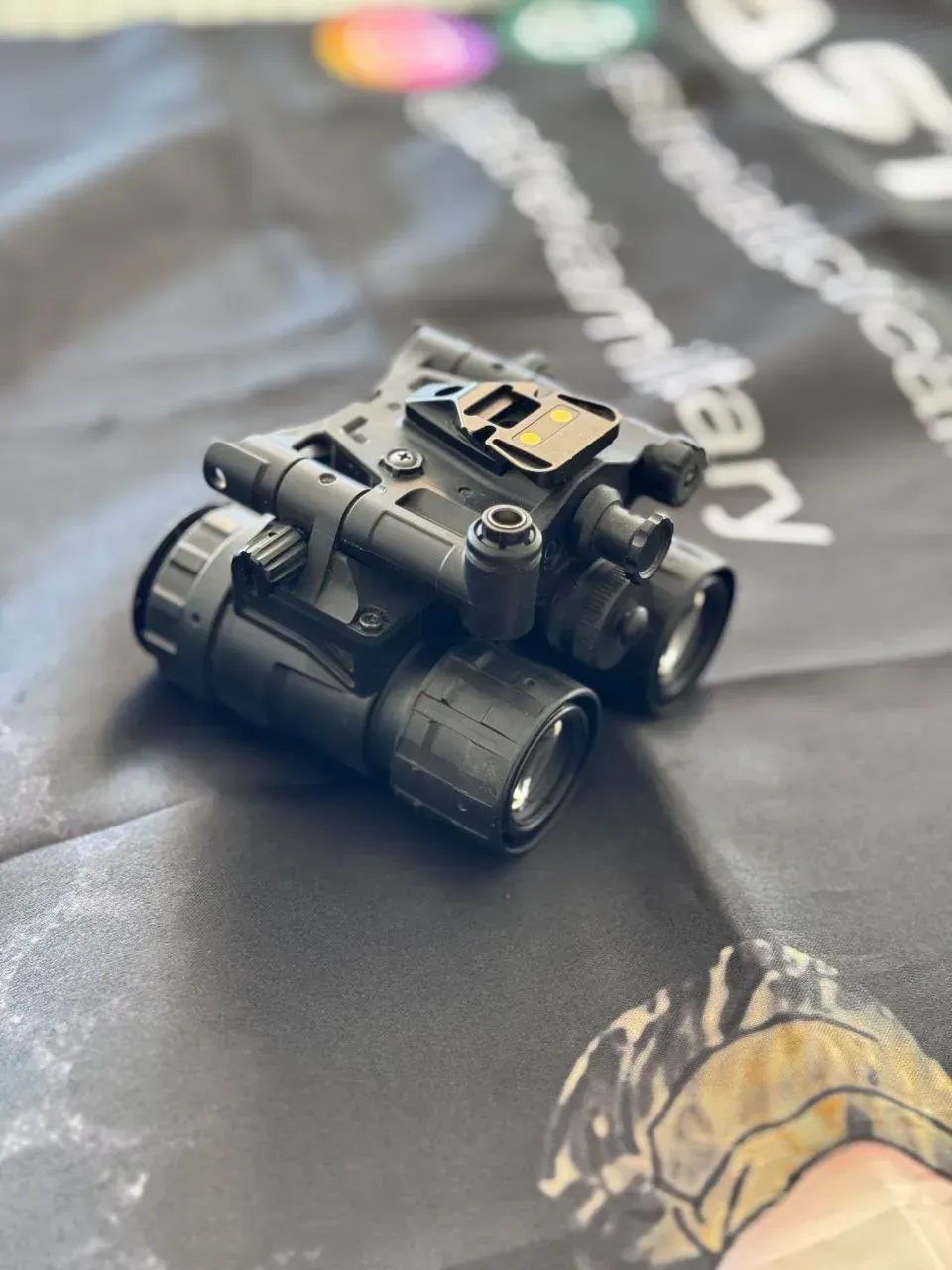
This is a compact and lightweight housing for modern tasks. It is oriented to mobility and comfort. It is well suited for long wearing. It provides normal efficiency with minimal weight. It is used in modern units. This is an option for those who value lightness.
Applications:
• Assault ⭐⭐⭐⭐☆
• Recon ⭐⭐⭐⭐⭐
• Patrol ⭐⭐⭐⭐⭐
• Long missions ⭐⭐⭐⭐⭐
• UAV work ⭐⭐⭐⭐☆
• Dynamic operations ⭐⭐⭐⭐⭐
• Driving ⭐⭐⭐⭐⭐
GPNVG-18
This is a four-tube housing for maximum situational awareness. It provides a much wider field of view than standard systems. It is used by special units for complex tasks. It is ideal for indoor work and dynamic scenarios. It allows to see more without turning the head. This is a highly specialized and expensive tool.
Applications:
• Assault ⭐⭐⭐⭐⭐
• CQB ⭐⭐⭐⭐⭐
• Recon ⭐⭐⭐⭐☆
• Patrol ⭐⭐⭐⭐☆
• Indoor work ⭐⭐⭐⭐⭐
• Special operations ⭐⭐⭐⭐⭐
• Driving ⭐⭐⭐⭐☆
Conclusion
Night vision is not just “to look in the dark”. It is a tool for a specific task.
There is no universal solution that will work equally well in all conditions.
The tube is responsible for image quality
The housing is responsible for how you use that image
Even the same level of tube can give completely different results depending on the housing and scenario.
If simplified
tube = image
housing = application
And only the correct combination gives a real result in practice.